
Search engines have become a daily part of our lives. Whether you are searching for a recipe, a product, a tutorial, or the latest news, search engines help you find the most relevant information within seconds.
But have you ever wondered how search engines work?
This guide will explain the search engine basics in a simple and beginner-friendly way. You will learn what a search engine is, how it works, and how search engines like Google crawl, index, and rank websites.
If you are new to SEO or want to understand how search engines find and rank web pages, this article will help you build a strong foundation.
What Are Search Engines?
A search engine is an online tool that helps users find information on the internet. It works by collecting web pages, storing them in a database, and showing the best results when someone searches for something.
The most popular search engines include:
Google
Bing
Yahoo
DuckDuckGo
Baidu
Yandex
Search engines are designed to provide the most useful results based on the user’s search query.
Definition of a Search Engine
A search engine is a software system that searches the web for information and displays results based on keywords or phrases entered by the user.
Purpose of Search Engines
The main purpose of search engines is to:
Discover new web pages
Organize information
Provide fast and accurate search results
Help users find trustworthy content
Why Search Engines Are Important
Search engines are important because they:
Save time by finding relevant information instantly
Help businesses reach customers online
Make education and learning easier
Provide access to global knowledge
Today, search engines are the main gateway to the internet.
History of Search Engines
Search engines have evolved a lot over time. In the early days of the internet, finding information was difficult because there were no organized systems.
Early Search Engines in the 1990s
Some of the earliest search engines were:
Archie (1990)
Lycos (1994)
AltaVista (1995)
Ask Jeeves (1996)
These early search engines were limited and not very accurate, but they laid the foundation for modern search technology.
Evolution of Google Search Engine
Google was launched in 1998 and quickly became the most popular search engine. Google’s success came from its ability to rank pages based on relevance and authority.
Instead of just counting keywords, Google introduced smarter ranking systems like:
PageRank (based on backlinks)
Semantic search
Machine learning algorithms
Modern Search Engine Technology
Today’s search engines use artificial intelligence, machine learning, and natural language processing to understand user intent and deliver better results.
Search engines are no longer just keyword-based. They focus on meaning, context, and user satisfaction.
How Search Engines Work (Step-by-Step)
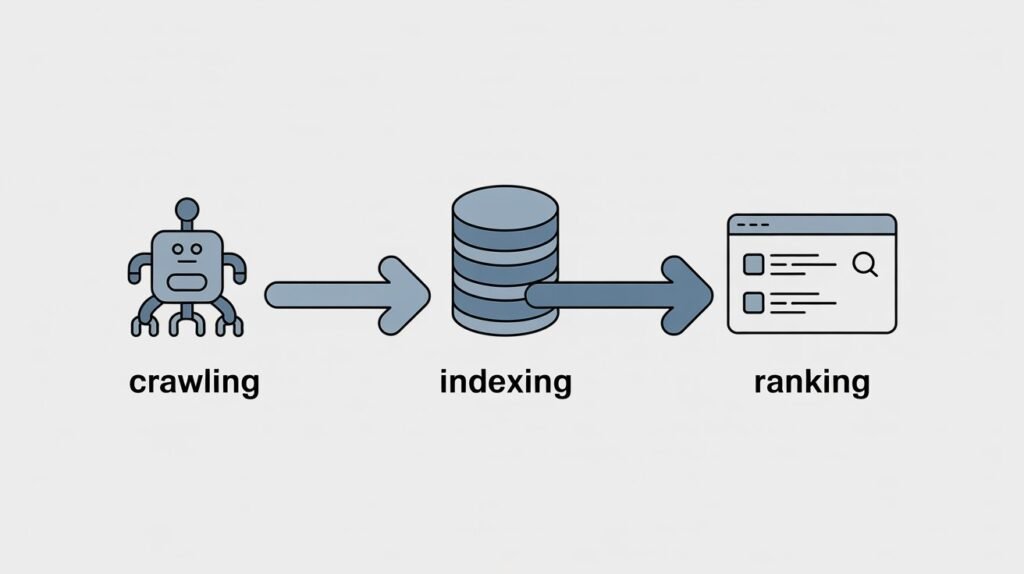
To understand the search engine basics, you need to know that search engines mainly work in three stages:
Crawling
Indexing
Ranking
Let’s break each one down.
Crawling Explained
Crawling is the process where search engines send automated programs called bots or spiders to discover new web pages.
These bots visit websites, read content, and follow links to find more pages.
For example, Google uses Googlebot to crawl websites.
Indexing Explained
After crawling, the search engine stores and organizes the page in its database. This database is called the search engine index.
Indexing means the search engine understands what the page is about and saves it for future search results.
Ranking Explained
Ranking is the process of deciding which pages should appear first on Google when someone searches for a query.
Search engines use ranking algorithms to determine:
relevance
content quality
backlinks
user experience
website authority
The better your page matches the user’s search intent, the higher it ranks.
What Is Crawling in Search Engines?

Crawling is the first step in how search engines work.
If a search engine does not crawl your website, it will not show in search results.
What Are Crawlers and Bots?
Search engine crawlers are automated software programs that browse the web and collect data.
Examples include:
Googlebot (Google)
Bingbot (Bing)
DuckDuckBot (DuckDuckGo)
These bots scan your website content, images, headings, links, and structure.
How Crawling Works
Search engines crawl pages through:
internal links (links within your site)
external links (links from other sites)
sitemaps
submitted URLs
When a crawler finds a page, it reads the content and follows links to discover new pages.
How to Optimize for Crawling
To improve crawling, you should:
create an XML sitemap
use a clean internal linking structure
avoid broken links
use robots.txt correctly
ensure fast website speed
Good crawling ensures your website pages get discovered quickly.
What Is Indexing in Search Engines?
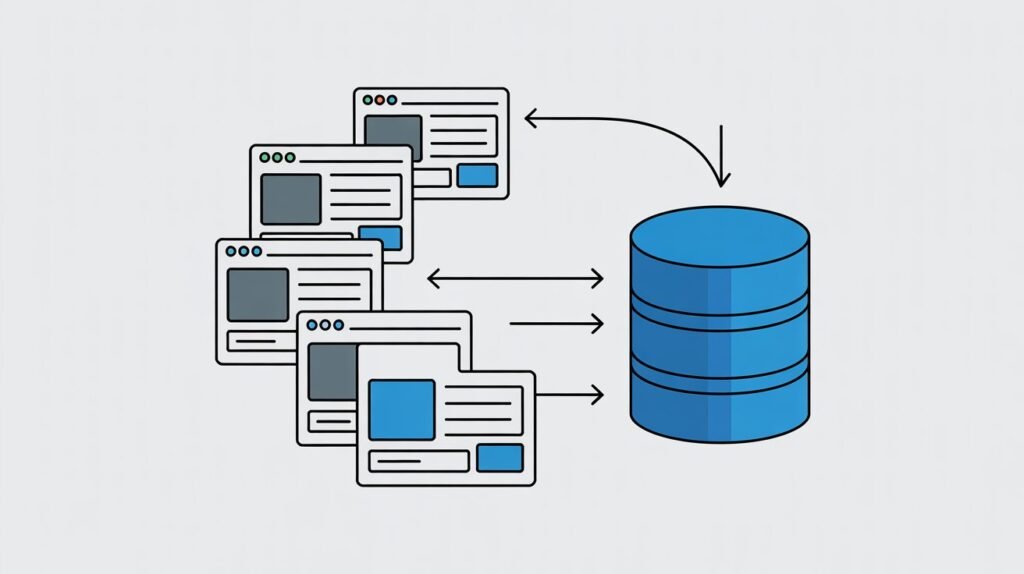
Indexing is the stage where search engines store your page information.
If a page is crawled but not indexed, it will not appear in Google search results.
What Is Search Engine Index?
The search engine index is a massive database where search engines store all discovered web pages.
When you search on Google, you are actually searching through Google’s index, not the live internet.
How Indexing Works
Indexing works by analyzing:
keywords and topics
headings and subheadings
page structure
images and alt text
page speed
mobile usability
Google then decides whether the page is useful enough to store in its index.
Why Pages Are Not Indexed
Some common reasons pages are not indexed include:
noindex tag used
blocked in robots.txt
duplicate or thin content
low-quality content
slow loading speed
lack of internal links
If you want to check indexing, you can use Google Search Console.
What Is Ranking in Search Engines?
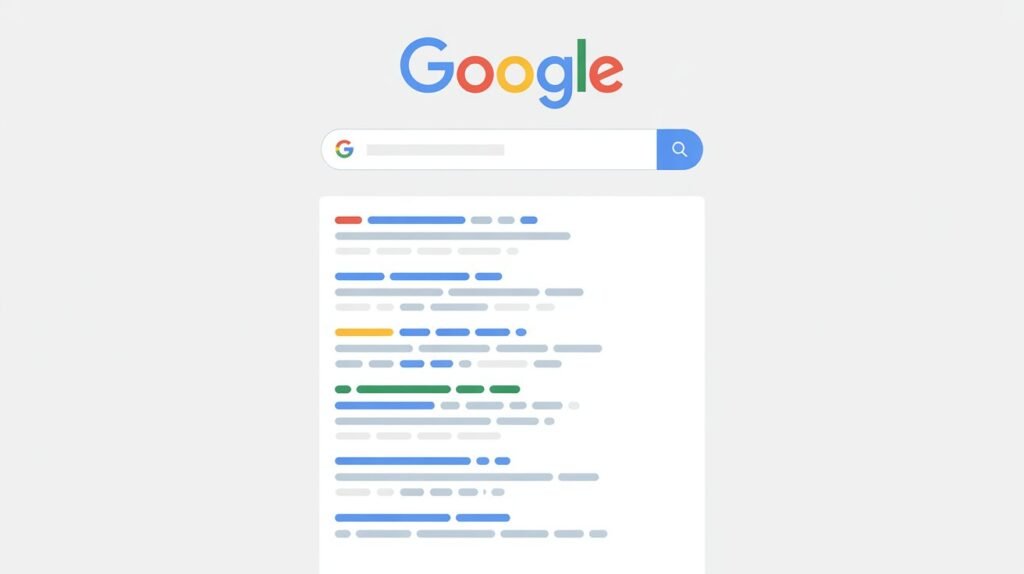
Ranking is the most competitive part of SEO.
Once your page is indexed, search engines decide where it should appear in search results.
How Search Engine Ranking Works
Search engines use complex algorithms to rank pages. These algorithms evaluate hundreds of ranking signals to determine which page provides the best answer.
Some major ranking signals include:
content quality
backlinks
user experience
keyword relevance
mobile friendliness
website authority
Also Read: Search Engine Ranking
Google Ranking Factors
Google is the largest search engine, and it uses many ranking factors such as:
page relevance
backlinks and authority
content freshness
page speed
Core Web Vitals
HTTPS security
user engagement
Google’s goal is to provide the most helpful and trustworthy content to users.
How to Improve Rankings
To improve rankings, you should:
write high-quality content
use proper keyword optimization
improve website speed
build backlinks naturally
use internal linking
create helpful SEO-friendly pages
Ranking is not instant. It takes time, consistency, and trust.
Key Google Ranking Factors (Beginner-Friendly Explanation)
If you want to master search engine basics, you must understand what helps pages rank.
Here are the most important ranking factors.
Content Relevance
Your content must match the user’s search query. If someone searches for “search engine basics,” your page should fully explain the topic.
Search Intent
Search intent means what the user actually wants.
For example:
informational intent: “how search engines work”
commercial intent: “best SEO tools”
transactional intent: “buy SEO course”
Your page must satisfy the intent behind the keyword.
Backlinks and Authority
Backlinks are links from other websites to your website. They act like votes of trust.
The more quality backlinks your site has, the more authority it gains.
Page Speed and User Experience
Google prefers fast websites. If your site loads slowly, users will leave, and rankings may drop.
Mobile Friendliness
Most searches happen on mobile. Your website must be responsive and mobile-friendly.
EEAT (Experience, Expertise, Authoritativeness, Trustworthiness)
Google uses EEAT guidelines to judge content quality. If your website shows expertise and trust, it can rank higher.
Examples of Popular Search Engines
Many search engines exist, but some are more widely used than others.
Google is the world’s most popular search engine. It dominates global search market share and is known for its powerful algorithm and accurate results.
Bing
Bing is Microsoft’s search engine. It is the default search engine for Windows and often used on desktop devices.
Yahoo
Yahoo was one of the earliest search engines. Today, it still exists but relies heavily on Bing for search results.
DuckDuckGo
DuckDuckGo is popular for privacy-focused searching. It does not track users the same way Google does.
Types of Search Engines
Search engines can be categorized into different types.
Crawler-Based Search Engines
These search engines use bots to crawl the web automatically.
Examples: Google, Bing
Directory-Based Search Engines
These are based on human submissions and categorized listings. They were more popular in the past.
Example: early Yahoo Directory
Hybrid Search Engines
Hybrid search engines use both crawling and directory systems.
Modern search engines are mostly hybrid.
How Users Interact With Search Engines
Understanding user behavior is an important part of search engine basics.
Search Query Explained
A search query is the word or phrase typed into a search engine.
For example:
“what is crawling”
“how search engines rank pages”
“SEO basics for beginners”
Organic Search Results
Organic results are the free listings shown in search results. Websites rank organically based on SEO and relevance.
Paid Search Results
Paid search results are advertisements. Businesses pay Google Ads or Bing Ads to appear at the top of search results.
Paid results are labeled as “Sponsored” or “Ad.”
What Is SEO and How It Works?
SEO stands for Search Engine Optimization.
SEO is the process of optimizing your website to rank higher in search engines and get more organic traffic.
Definition of SEO
SEO is a digital marketing strategy used to improve a website’s visibility in search engine results.
Importance of SEO
SEO is important because:
it increases website traffic
it improves brand visibility
it builds trust and authority
it generates long-term free visitors
How SEO Improves Rankings
SEO improves rankings by optimizing:
content and keywords
website structure
internal linking
page speed
backlinks
technical SEO
SEO is one of the best ways to grow an online business.
Google Search Engine Basics
Google is the most advanced search engine, and understanding how it works is essential.
Google Algorithm Explained
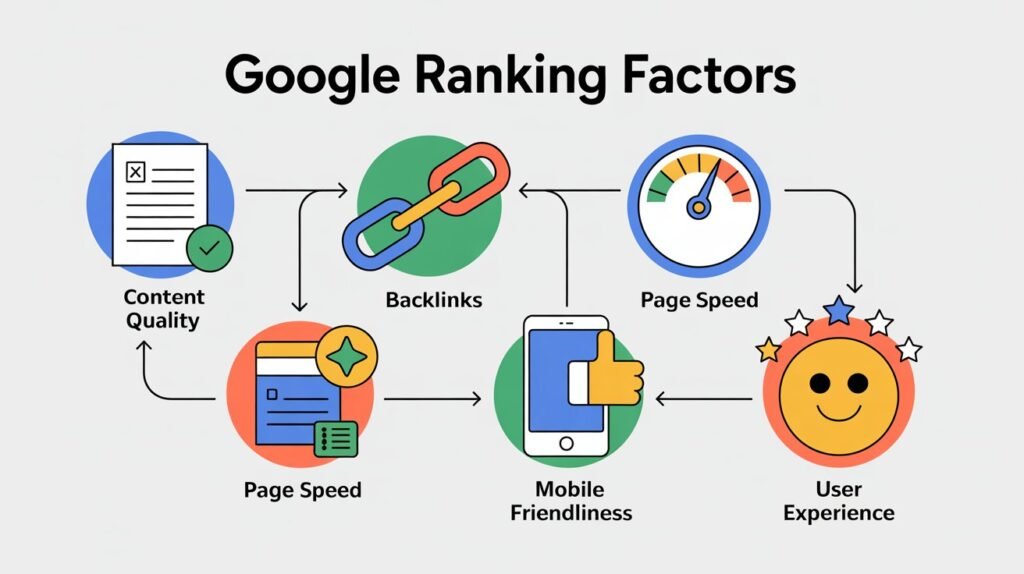
Google uses algorithms to evaluate and rank websites.
The algorithm considers many factors, including relevance, authority, and user experience.
Google updates its algorithm frequently to improve search results and reduce spam.
RankBrain Explained
RankBrain is Google’s AI system that helps understand user queries better.
It improves search results by interpreting search intent and showing the most relevant pages.
Core Web Vitals Explained
Core Web Vitals are performance metrics that measure user experience.
They include:
Largest Contentful Paint (LCP)
First Input Delay (FID)
Cumulative Layout Shift (CLS)
Improving Core Web Vitals can help your rankings.
Common Search Engine Optimization Mistakes
Many beginners make SEO mistakes that prevent them from ranking.
Poor Website Structure
A messy website structure makes it hard for search engines to crawl and understand your site.
Duplicate Content
Duplicate content confuses Google and can reduce ranking potential.
Slow Website Speed
Slow websites create a poor user experience and can reduce rankings.
Future of Search Engines
Search engines are evolving quickly due to AI technology.
AI and Search Engines
AI is making search results more personalized and accurate.
Google is already integrating AI-based features like Search Generative Experience (SGE).
Machine Learning in Search
Machine learning helps search engines understand user intent and improve ranking accuracy.
Future Ranking Factors
In the future, ranking will depend more on:
content helpfulness
user satisfaction signals
trust and authority
multimedia content
AI-generated answer competition
Frequently Asked Questions (FAQ)
What are search engine basics?
Search engine basics refer to the fundamental concepts of how search engines discover, store, and rank web pages. It includes crawling, indexing, ranking, and SEO fundamentals.
How do search engines work?
Search engines work by crawling websites, indexing web pages in their database, and ranking results based on relevance and quality.
What is crawling, indexing, and ranking?
Crawling is discovering web pages, indexing is storing and organizing them, and ranking is showing the best pages in search results.
What is SEO?
SEO is the process of optimizing a website to rank higher in search engines and increase organic traffic.
Final Thoughts on Search Engine Basics
Understanding search engine basics is essential for anyone who wants to learn SEO, build websites, or grow an online business.
Search engines like Google use crawling, indexing, and ranking systems to deliver the best results. If you want your website to appear in Google search, you must focus on creating helpful content, improving website structure, and following SEO best practices.
If you want to learn more, explore our detailed guides on crawling, indexing, ranking, and SEO fundamentals.